






Written piece
The Threads of Utu (Humanity)
Ken Odak Odumbe
Kenya
About this piece
Kenya hosts over 900,000 refugees across Kakuma and Dadaab. This lyric prose piece explores what that hospitality looks like up close, through the Swahili principles of utu (Humanity) and Shirika (sharing), and the communities who have been making room for three decades
The Threads of Utu
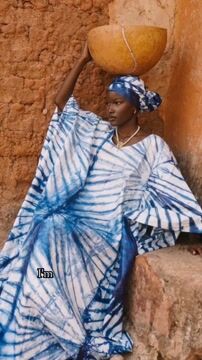
What do we call a Leso woven from nine hundred thousand Displaced Persons and the host communities that take them in?
A woman appears at the edge of Kakuma with nothing but a torn fabric and a child on her back. If lucky, the child, barely alive, will live. The rest of her family, she will not say. Her language, no one here speaks, but her silence everyone here understands. She does not knock. There is no door. Only a bench, and a Turkana woman, already shifting her own child to make room. No word said. None is needed. This is utu, the recognition that your thread and mine are pulled from the same yarn.
In Turkana, a bench. In Garissa, another. The distance between them, eight hundred kilometres of dust and resolve. In these benches teachers recite the alphabet inside dusty tarps for children who yesterday knew only of distant horrors. A clinical officer kneels beside a young boy to check yesterday’s fever, and shares a smile.
Three decades later these benches became camps; then settlements; now fully fledged municipalities. The woman, who arrived with nothing but torn fabric and silence now sells mandazi at the market and knows everyone. We call this Shirika. What we mean is, we made room, and then we made room again, and when the room ran out we built more room, because Utu does always welcomes.
Nine hundred thousand threads from looms that shattered in Juba, in Mogadishu, in Khartoum. And on the other side of the bench, the Turkana and Garissa host communities who shifted their own children to make more room, who have been shifting for three decades, who are still shifting now. I ask again, what do you call that cloth? I call it Kenya